Tokyo: Ota Shobo, 1991. Softcover, later edition. Near fine in original wraps, complete with printed obi band—seldom retained.
First published in 1978, Otoko to Onna no Aidaniha Camera Ga Aru (There Is a Camera Between a Man and a Woman) is one of Araki’s defining meditations on intimacy, desire, and the act of photographing itself. Here, erotic images are interlaced with crushed beer cans, fruit, street corners, and the debris of daily life—each frame oscillating between the seen and the felt, the public and the secret.
The title names the camera as the charged space between bodies: a witness, an accomplice, a threshold. Araki’s lens moves with equal devotion through tenderness and tension, charging the everyday into a field of erotic and emotional charge.
Originally published by Byakuya Shobo in 1978 and reissued by Ota Shobo in 1991, this edition preserves the book’s stark, tactile design and disarming intimacy.
Tokyo: Ota Shobo, 1991. Softcover, later edition. Near fine in original wraps, complete with printed obi band—seldom retained.
First published in 1978, Otoko to Onna no Aidaniha Camera Ga Aru (There Is a Camera Between a Man and a Woman) is one of Araki’s defining meditations on intimacy, desire, and the act of photographing itself. Here, erotic images are interlaced with crushed beer cans, fruit, street corners, and the debris of daily life—each frame oscillating between the seen and the felt, the public and the secret.
The title names the camera as the charged space between bodies: a witness, an accomplice, a threshold. Araki’s lens moves with equal devotion through tenderness and tension, charging the everyday into a field of erotic and emotional charge.
Originally published by Byakuya Shobo in 1978 and reissued by Ota Shobo in 1991, this edition preserves the book’s stark, tactile design and disarming intimacy.


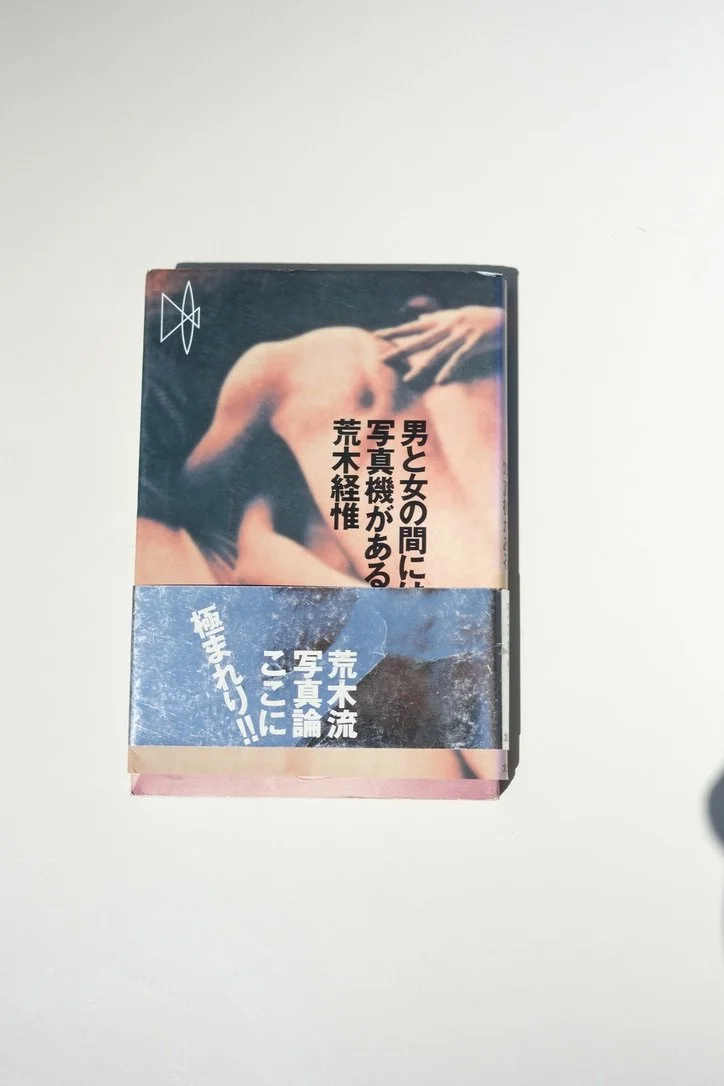 Image 1 of 9
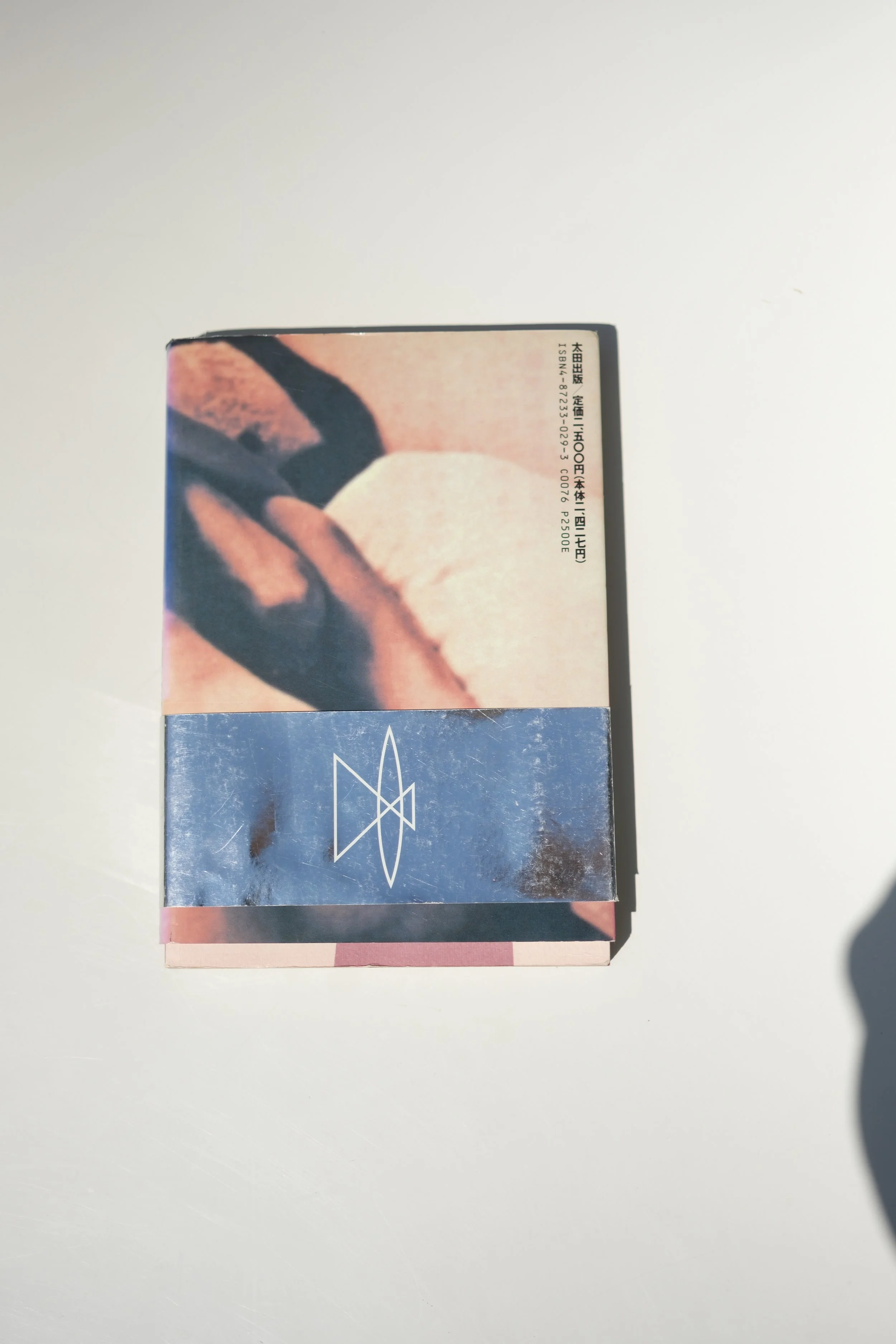 Image 2 of 9
 Image 3 of 9
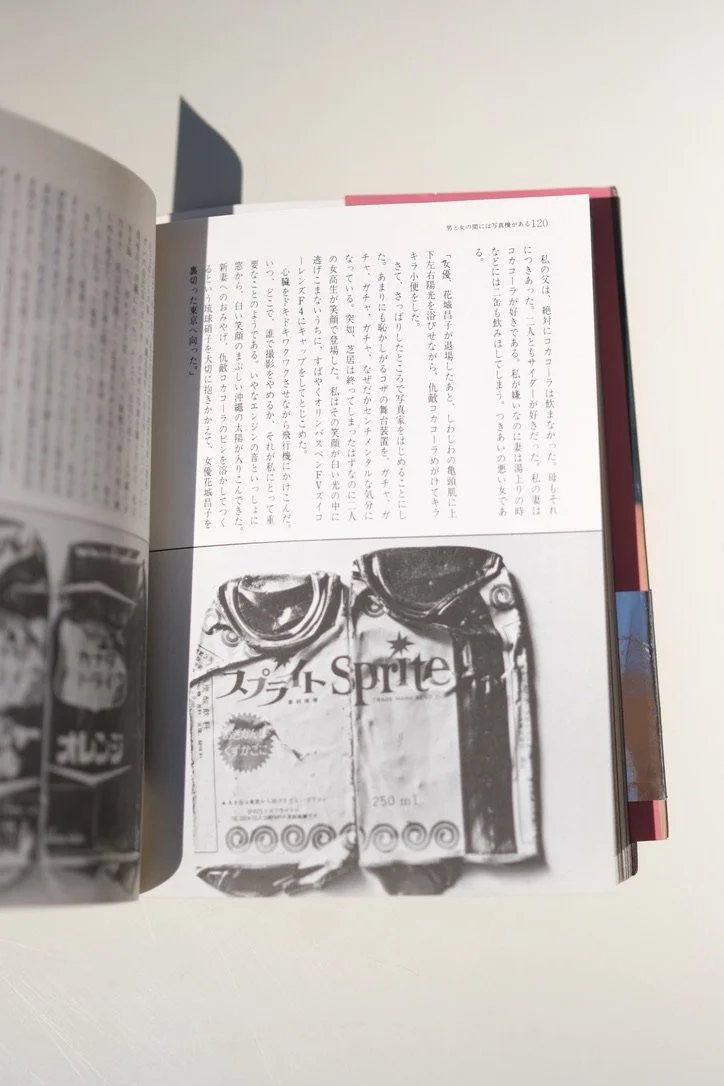 Image 4 of 9
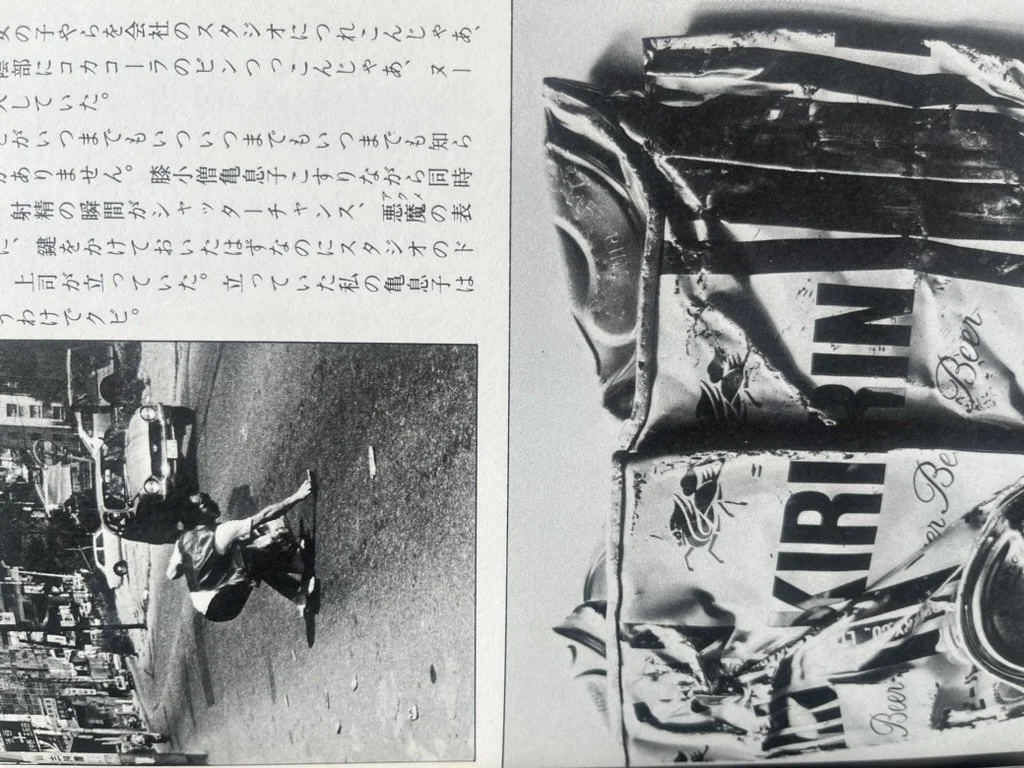 Image 5 of 9
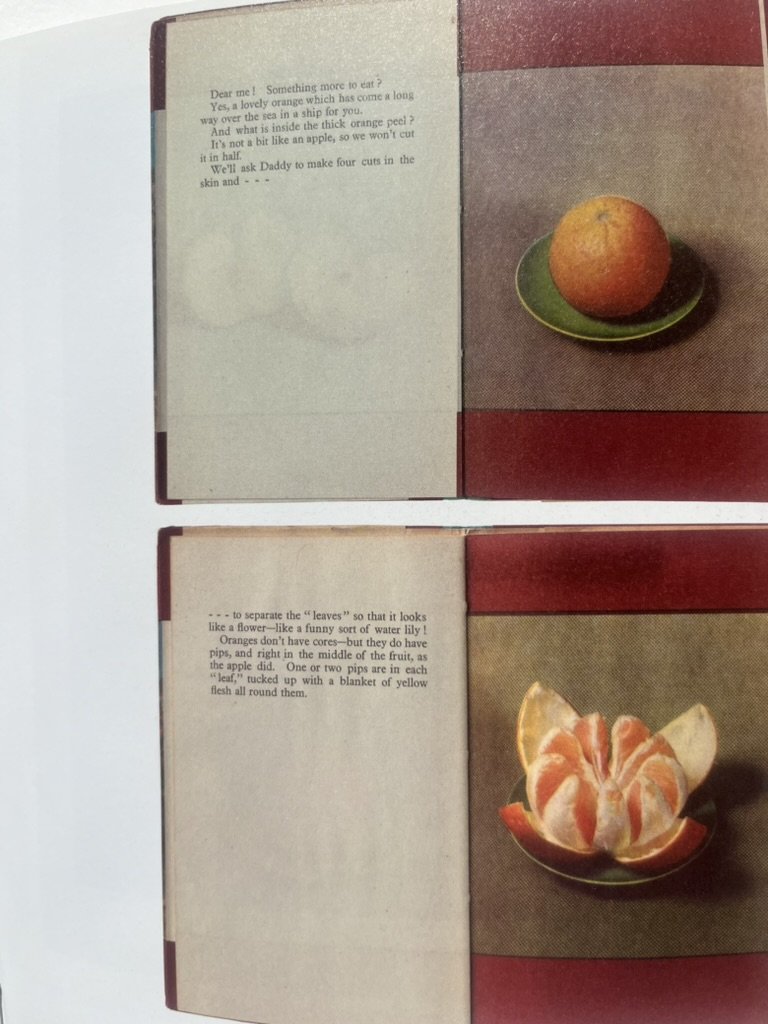 Image 6 of 9
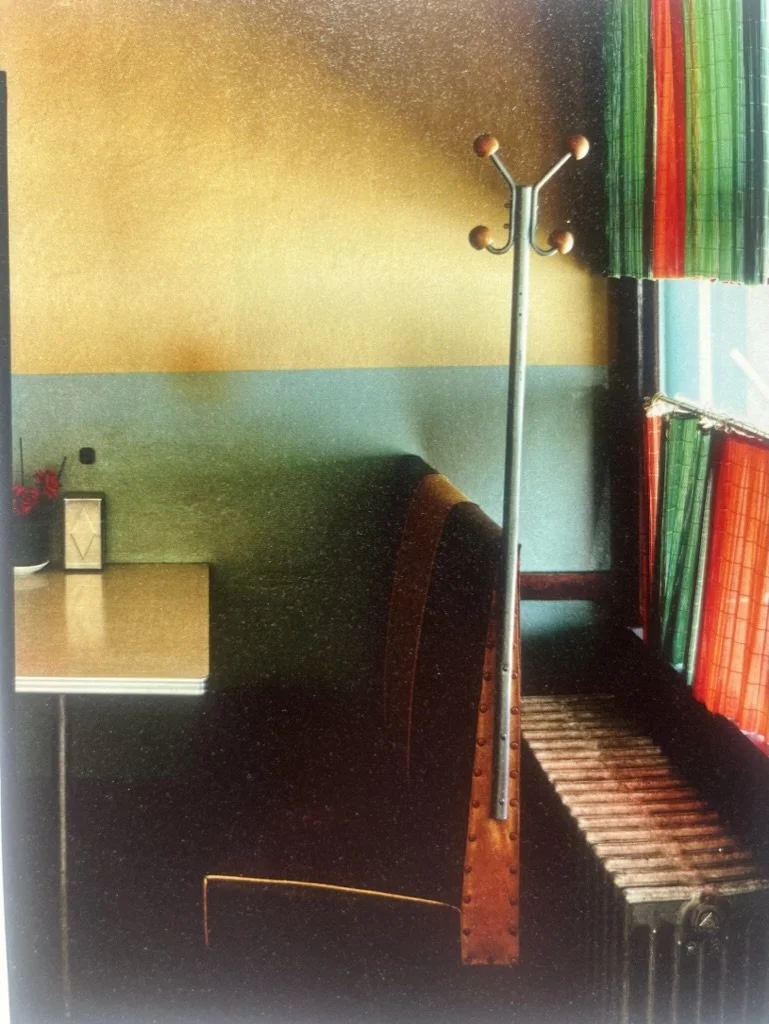 Image 7 of 9
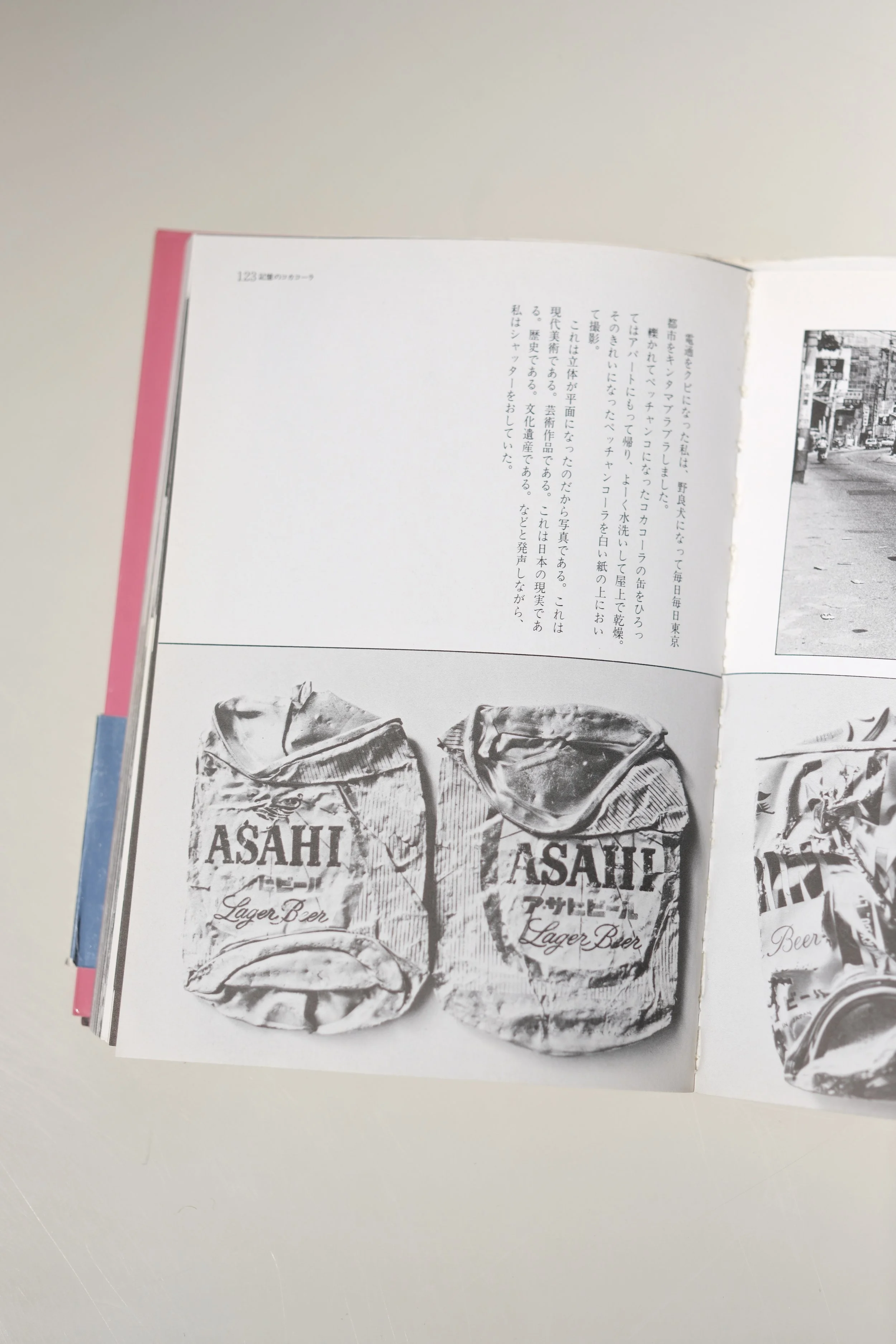 Image 8 of 9
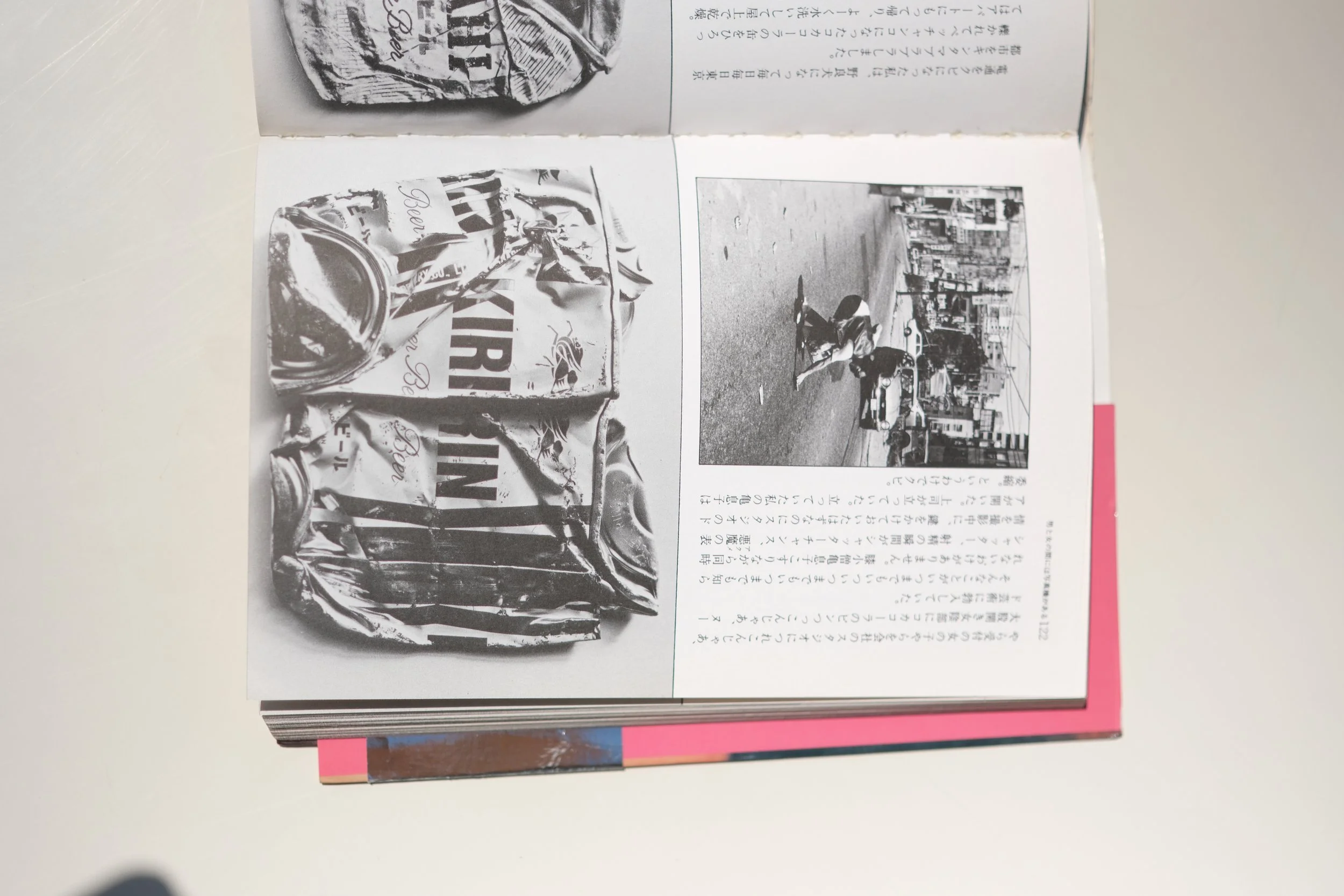 Image 9 of 9